Safeguard Your Home: Essential Services Provided by Professional Roofing Contractors
Professional roofing contractors fulfill a critical purpose in preserving the structural soundness of residential properties. They offer skills spanning detailed assessments to urgent repair work, guaranteeing rooftops stay in optimal shape. Regular upkeep services, such as gutter cleaning, work to avert major problems. Recognizing when a new roof is necessary could spare residents from significant financial losses. Still, not every roofing specialist offers the same level of service. What elements should homeowners weigh when hiring a qualified roofing contractor?
Why Roof Inspections Are Important
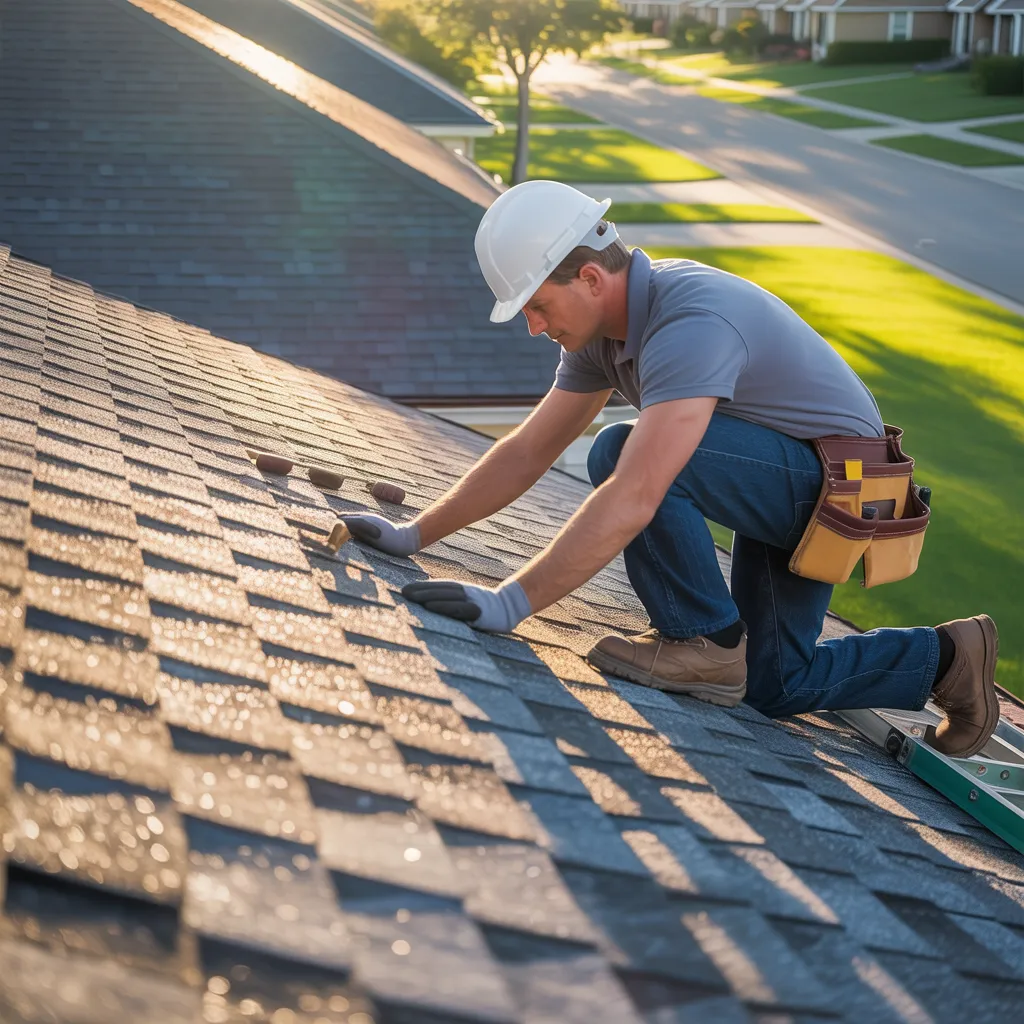
Roof inspections serve as a critical protection measure for property owners, enabling them to detect potential issues before they develop into expensive problems. Routine inspections help identify wear and tear, leaks, and harm inflicted by harsh weather or pest activity. By tackling these problems promptly, homeowners can maximize the longevity of their roofs, ensuring a safer and more comfortable living environment.
Furthermore, property value can be enhanced through roof inspections, as prospective buyers often seek homes with well-maintained roofs. Experienced roofing specialists are equipped with the expertise to properly assess roof conditions, supplying property owners with thorough reports and expert recommendations. This procedure not only facilitates timely repairs but also plays a role in long-term planning for roof upkeep and replacement.
How to Deal With Emergency Roofing Repairs
Unexpected roofing issues can arise at any time, demanding swift intervention to minimize further deterioration. Homeowners should first assess the situation by identifying the source of the problem, including water leaks or displaced shingles. Personal safety remains of utmost importance; should the damage cna classes southington ct present potential hazards, it is recommended to refrain from mounting the roof. Alternatively, utilizing a ladder to observe the damage from a protected distance can offer important details without putting anyone at risk.
Once the issue is identified, homeowners should take photographs to document the damage for insurance claims. Contacting a professional roofing contractor is critical for emergency repairs, as they possess the expertise and tools required for effective solutions. Interim steps, such as tarping over leaks, can minimize further damage until a professional arrives. Prompt contact with the roofing professional regarding the pressing need for repairs ensures that the work is treated as a priority, protecting the home from further deterioration.
Leading Maintenance Services for Your Roof
Consistent upkeep is vital for maintaining the durability and functionality of every roof. Skilled roofing professionals deliver numerous maintenance options intended to preserve and strengthen the condition of roofing systems. One key service is routine inspections, which identify potential issues early, preventing costly repairs. Furthermore, the clearing of debris is essential; leaves, twigs, and sediment can lead to water accumulation and deterioration.
Contractors also provide gutter maintenance solutions, promoting effective water drainage and minimizing the likelihood of leaks. Sealing and caulking prove vital for blocking moisture intrusion at joints and seams, while consistent care of flashing can defend against weather-related damage. Moreover, moss and algae management helps maintain the roof's aesthetic appeal and structural integrity. By utilizing these maintenance solutions, property owners can considerably increase the longevity of their roofs, consequently preserving their investment and boosting overall residential safety.
When Should You Replace Your Roof?
When is the right time to evaluate replacing a roof? Property owners should evaluate a roof replacement when clear indicators of damage and aging become evident. Common indicators include missing shingles, extensive granule loss, or water stains on interior ceilings. Moreover, if a roof is nearing the end of its expected lifespan—typically 20 to 25 years for asphalt shingles—it is prudent to start planning for a replacement.
Another important consideration relates to how frequently maintenance is required; if constant maintenance has become necessary, it may suggest that the roof has reached the end of its serviceable life. Additionally, energy efficiency issues, such as increased heating and cooling costs, can indicate that insulation and roofing materials are failing. Through careful assessment of these indicators, property owners can reach well-informed conclusions, ensuring their investment in a new roof enhances the overall safety and value of their property.
Customized Roofing Solutions for Different Materials
Upon assessing the necessity of replacing a roof, homeowners ought to explore the range of materials that can address their unique requirements. Skilled roofing professionals provide customized options that include a range of materials like asphalt shingles, metal, tile, and slate. Each roofing material carries specific strengths; as an example, asphalt shingles are affordable and straightforward to install, whereas metal roofs deliver long-lasting performance and energy savings.
Tile roofs are renowned for their aesthetic appeal and long lifespan, making them a popular option in warmer climate regions. Slate, despite being costlier, delivers exceptional longevity and a one-of-a-kind aesthetic. Contractors evaluate factors such as climate, architectural style, and budget to suggest the most suitable material.
Picking the Perfect Roofing Contractor
Selecting the most suitable roofing contractor is essential for guaranteeing a productive roofing project. Residents should commence by gathering recommendations from trusted contacts or digital review platforms to locate trustworthy contractors. It's important to check credentials, including licensing and coverage, to establish compliance with regional requirements and safeguard from liability.
In addition, collecting multiple quotes allows for knowledgeable evaluations of costs and services presented. Home owners should question contractors about guarantees, for both workmanship and materials, as this can reflect the contractor's assurance in their quality. Furthermore, a reliable professional will offer a complete written breakdown, outlining the work scope and required materials.
Moreover, good communication is critical; a reputable contractor ought to be responsive and open to resolving any worries. By applying these principles, homeowners can select a roofing contractor that meets their needs, ensuring a long-lasting and reliable roofing outcome.
Common Questions and Answers
How Can You Tell If Your Roof Is in Poor Condition?
Indicators of a deteriorating roof include damaged shingles, staining, water infiltration, structural sagging, and granule deterioration. Property owners might additionally observe moisture stains on interior ceilings or walls, indicating underlying issues requiring immediate attention from a professional.
How Long Does a Roof Installation Typically Take?
Roof installation generally requires between one and three days, depending on the size and complexity of the project. The overall timeline can also be greatly affected by weather conditions and the type of roofing material selected.
Are Roofing Materials Good for the Environment?
A variety of roofing materials, such as slate, recycled metal, and select shingle varieties, can be environmentally friendly. These materials often minimize waste and lower energy consumption, supporting sustainable construction practices and improving overall home efficiency.
What Warranties Are Typically Provided on Roofing Services?
Commonly, roofing contractors extend warranties spanning 10 to 50 years, protecting against issues with materials and workmanship. These guarantees ensure safeguarding from defects and offer homeowners assurance regarding the lasting quality of their roof installations.
What Financing Solutions Are Available for My Roofing Project?
Homeowners are able to finance roofing work through personal loans, home equity lines of credit, or specialized contractor financing options. Examining different lenders and contrasting interest rates helps them identify the most fitting financing solution for their requirements.